

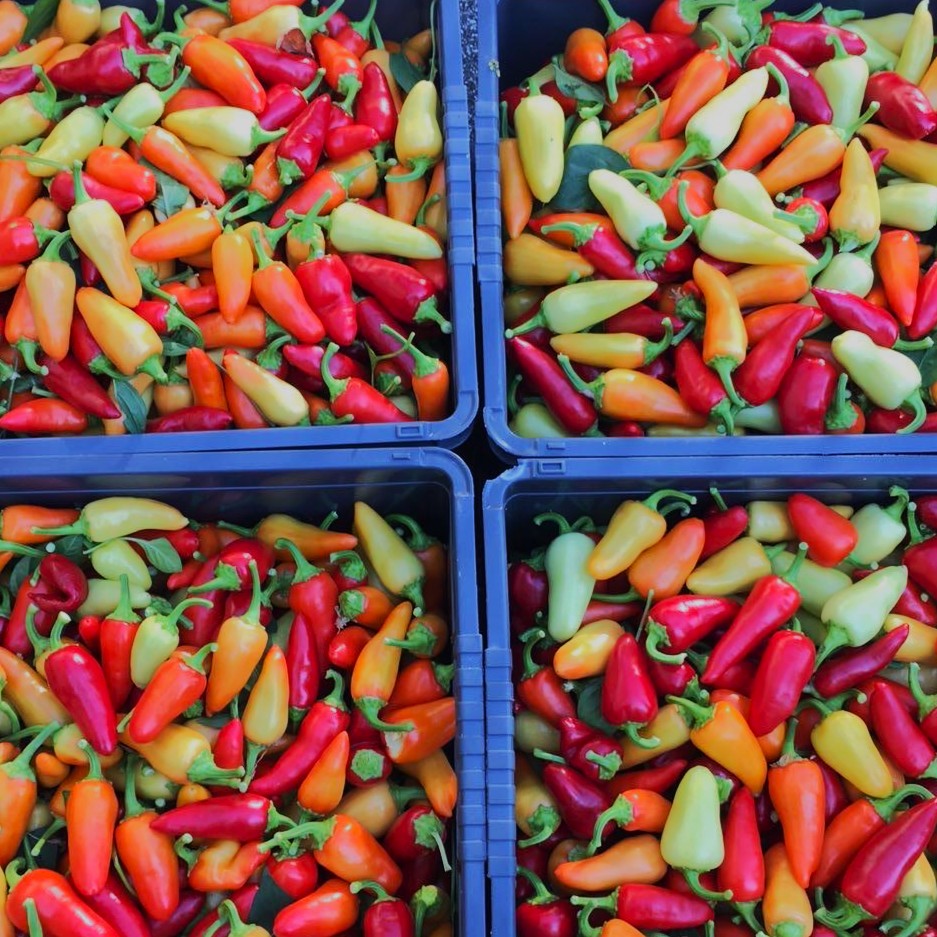
A large chilli harvest can be used fresh, frozen, dried, ground into powder, pickled in vinegar, fermented, or turned into sauce and chilli oil.
Here's how to find the right method for each variety.
Preparing chillies before processing
- Only use firm, healthy fruit with no mould or rotten spots.
- Wash the chillies and dry them carefully.
- Remove the stems; process the seeds and inner membrane depending on the heat you want. We always use everything except the stem.
- Handle very hot varieties with gloves. You'll thank yourself later. There's always one uncomfortable spot that burns regardless.
- Note down the variety and harvest date.
Process damaged but still sound fruit first. Mouldy or fermenting-smelling chillies don't belong in sauce, oil or the dehydrator.
8 ways to process your chilli harvest
1. Use chillies fresh
Fresh chillies carry their variety's characteristic flavour most clearly in salsa, curry, stew, marinade or a vegetable pan. Undamaged fruit stays fresh in the fridge for quite a while; condensation and sealed, humid packaging encourage spoilage. Just place them loose in a bowl in the crisper drawer.
2. Freeze chillies
Wash, dry completely, remove the stem and freeze whole or sliced in portions. After thawing, chillies soften and lose their crisp texture but work very well for cooking, blending and seasoning. Freeze small portions flat so you can later take out just the amount you need. An ice cube tray is also a good tip for portioning.
3. Dry chillies
Thin-walled, undamaged varieties dry especially reliably. Thick-fleshed jalapeños or rocotos should be halved and dried in a controlled way in a dehydrator or oven. Air drying only works with suitable fruit, low humidity and good air movement. You'll find the full guide at Drying chillies.
4. Make chilli powder or chilli flakes
Only grind or crush fully dried chillies — otherwise everything clogs up. When grinding superhots, we always wear a mask; the dust really gets everywhere. Process different varieties separately and label the jar with variety and heat level. Flakes keep more texture, while fine powder spreads the heat faster.
5. Pickle chillies in vinegar
Fridge pickles are an easy option for jalapeños, peppers and other firm varieties. Vinegar, salt and hygiene are what matter most. Our basic recipe Pickling chillies shows you how it's done and what to watch out for.
6. Ferment chillies
Lacto-fermentation creates complex flavours and works well as a base for sauces and pastes. Salt concentration, clean vessels and airlock are what make it succeed. There are countless methods out there. Our ReapRacha and SerRacha are fermented together with garlic.
7. Make chilli sauce, paste or chutney
Fruity habaneros pair well with mango or apricot, smoky varieties with tomato and roasted vegetables. Our basic chilli sauce recipe covers acidity, consistency and everything else you need to know.
8. Make chilli oil yourself
Fully dried chillies are used for an aromatic oil. You can make oil with fresh garlic, onion, herbs or fresh chillies, or a simmered oil. Our guide Making chilli oil yourself walks you through both methods, with all their pros and cons.
Which method suits which chilli?
| Chilli type | Particularly suited to |
|---|---|
| Jalapeño and mild peppers | fresh, pickling, salsa |
| Habanero and fruity varieties | sauce, chutney, fermentation |
| thin-walled chillies | drying, flakes, powder |
| thick-fleshed chillies | freezing, pickling, fresh cooking |
| superhots | sauce, powder or ferment, used sparingly |
What do I do with green chillies?
Unripe chillies can be used too. They often taste greener, more bitter and less sweet than fully ripe fruit; the heat level can differ as well. Not every chilli reliably ripens fully after harvest. Process firm, healthy fruit fresh, as a pickle, or in cooked dishes.
Labelling and storing
- Variety and heat level
- Processing date
- Method and key ingredients, so you know later what you made and what you'd like to try next. There are countless variations.
Frequently asked questions about the chilli harvest
Do you need to blanch chillies before freezing?
No. Washing, drying, destemming and freezing in portions is enough.
Which chillies are suited to drying?
Thin-walled varieties dry most easily. Thick-fleshed fruit should be halved and dried in a controlled way.
What's the easiest method for a large harvest?
Freezing is the quickest. Drying saves space later on, but needs the fruit to dry out completely.
To find out how to get to harvest in the first place, see Growing chilli and Caring for chilli plants. You'll find finished products from our own harvest under Chilli Products.