Pre-orders for 2027 open in early January. Plants are expected to ship from mid-April.
Out of stock
Inventory on the way
What makes it special?
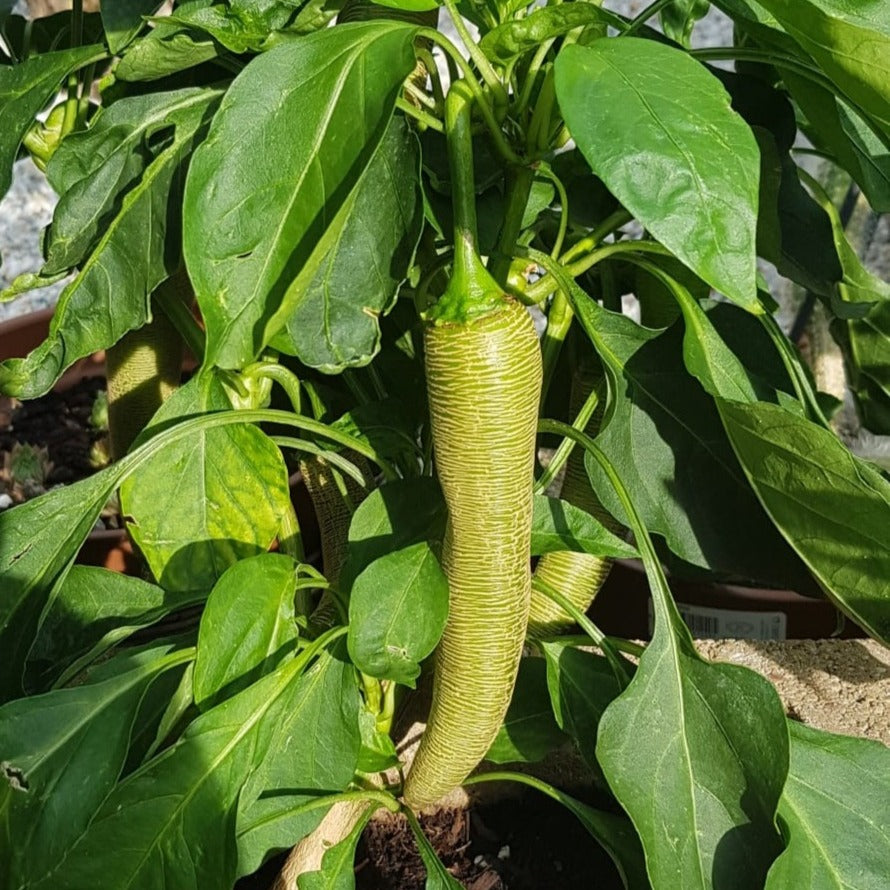
An unusual Capsicum annuum variety with long, sturdy fruit and a striking, corky surface. This exact texture recalls elephant skin or an elephant's trunk, giving the variety a distinctive look.
We rate our Elephant Chilli at heat level 4 – noticeably spicier than a sweet pepper, but far from superhot heat.
We raise the plants ourselves in Illmitz. Thanks to its meaty fruit, the variety is especially good for grilling, stuffing, pickling or bold vegetable dishes.
Flavour & Use
Elephant Chilli combines a sweet pepper aroma with a pleasant chilli note and medium heat. That lets it be used far more generously than very hot varieties.
The meaty fruit is especially good on the grill, in oven dishes, in braises, or stuffed with cheese, rice or vegetables. It's also interesting for pickling and coarse chilli flakes.
Perceived heat can vary depending on position and ripeness. We rate it at heat level 4.
Fruit & Plant
Elephant Chilli belongs to Capsicum annuum. Typical is elongated, sturdy fruit that ripens from green to red. Striking is the corky, sometimes cracked surface that gave the variety its name.
Comparable elephant/elephant-type varieties reach around 10–20 cm depending on the line. Since different lines circulate under this name, we deliberately avoid a seemingly precise centimetre figure for every individual fruit.
The plant grows vigorously and benefits from a warm, sunny position.
Growing & Care
We recommend a full-sun, warm and, where possible, sheltered spot for Elephant Chilli. It suits a pot, patio, greenhouse and sheltered outdoor beds well.
For pot growing, we recommend at least 8 litres, ideally 10 litres of soil volume. If you have the space, 15–20 litres is ideal.
The substrate should be nutrient-rich and well-draining. Water evenly, but avoid waterlogging. Feed regularly and moderately with a suitable tomato or vegetable fertiliser during growth and fruiting.
The variety is frost-sensitive. Frost-free overwintering is generally possible.
Variety Data
Botanical species: Capsicum annuum
Heat: medium-hot; heat level 4 with us
Scoville: no reliable variety-specific standard measurement
Fruit colour: green → red
Fruit shape: elongated and sturdy, often with striking corking
Fruit size: depending on the line, often approx. 10–20 cm
Position: full sun, warm and sheltered
Suitable for: pot, patio, greenhouse and sheltered outdoor beds
Pot size: at least 8 litres, ideally 10 litres; 15–20 litres ideal
Use: grilling, stuffing, pickling, oven dishes and chilli flakes
Overwintering: possible frost-free
Special feature: striking corky surface of the fruit
Couldn't load pickup availability
1 / 1
Elephant Chilli - Chilli Plant
Regular price€3,99 EUR
Regular priceSale price€3,99 EUR
WANT TO LEARN MORE?
Elephant Chilli – striking fruit with pleasant heat
Elephant Chilli is a striking Capsicum annuum with long, sturdy fruit and a distinctive corky surface. This texture recalls elephant skin or an elephant's trunk and explains the variety's unusual name. We raise our plants ourselves in Illmitz. You'll find more varieties of this species among our Capsicum annuum.
How hot is Elephant Chilli?
We rate Elephant Chilli at heat level 4. That places it in the pleasantly spicy range, letting it be used far more generously in the kitchen than habanero or superhot varieties. There's no properly documented, variety-specific SHU measurement for the lines traded under this name, so we don't give an artificially precise Scoville figure.
Why is it called Elephant Chilli?
The fruit's surface is its most striking feature. As it ripens, a distinct corking with pale cracks often forms. Combined with the elongated shape, this recalls the skin or trunk of an elephant. The fruit ripens from green to red and, in suitable lines, can grow noticeably longer than a classic jalapeño.
Elephant Chilli in the kitchen
The meaty fruit is excellent for grilling, stuffing and pickling. It also brings more aroma than pure heat to oven dishes, braises, or coarsely dried as chilli flakes. That's exactly what makes it interesting if you want to clearly taste chilli without generating extreme heat.
Growing Elephant Chilli in a pot
A sunny, warm and sheltered spot is ideal. In a pot, we recommend at least 8 litres, ideally 10 litres; with 15–20 litres, the plant gets an especially generous root run. Pay attention to nutrient-rich, well-draining substrate and even watering without waterlogging. You'll find more varieties to compare among our chilli plants, raised by us.
Absolutely recommended! I’m completely impressed with this chili plant seller. The quality of the plants is outstanding – strong, healthy, and clearly grown with passion and expertise.
The absolute highlight for me, however, was that this seller is one of the few places that offers my all-time favorite variety, the Lemon Drop chili. I’ve finally found a reliable source for this fantastic variety!
Shipping was fast, and the plants were perfectly packaged, so they arrived in excellent condition. I can wholeheartedly recommend this seller to any chili lover looking for top quality and fast delivery. I will definitely be ordering here again!
— Mr A.T. via Google
My annual joy
“My annual joy has arrived – little chili plants, grown with so much love!”
I’m so happy with my chili plants!
Just like every year, they arrived in perfect condition – healthy, fresh, and full of life. I’m incredibly grateful for the care and love you put into every order. These little plants bring me so much joy, and it truly shows how much you do to make your customers happy.
Thank you so much for your wonderful service! I’m already looking forward to ordering again next year.
— Mrs. L.Ü. via Google
longterm customer
I’ve been buying my chili powder from the Tschida family for years, and it’s the best you can get. The family is always very friendly and helpful as well. I can wholeheartedly recommend their products to everyone.
— Mr. H.K. via Google
#1 Spice supplier
Super friendly service when buying chili plants, and the products are truly excellent. My #1 source for heat :) The ultimate compliment came from an Indian colleague who said that with Tschida chili sauces, he can finally enjoy the level of heat he knows from home here in Europe!
— Mr J.K. via Google
Simply top!
Tschida Tschili – where heat and flavor come together in perfect harmony. The chili products are simply outstanding. I love spicy food, but many products just burn your tongue without delivering any real flavor. With Tschida Tschili, it’s completely different. For an experienced palate, everything is very enjoyable. The flavors are perfectly matched to the level of heat, resulting in truly delicious products.
I visit the farm from time to time as part of my culinary tours with groups. What can I say? Jan and his family are simply the perfect hosts – friendly, authentic, and genuinely local. I always really enjoy visiting you!
— Mrs. J.Z. via Google
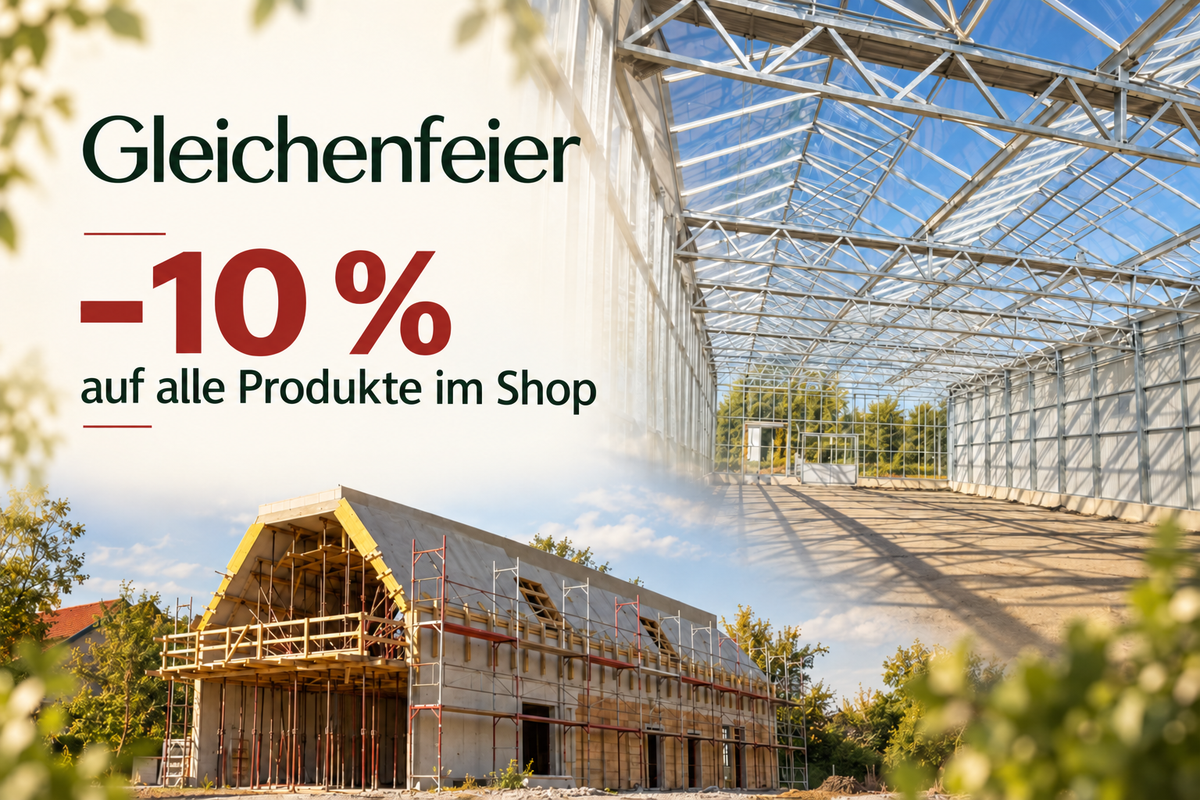
WE'RE CELEBRATING!
More than just chillies is growing here right now: our new headquarters and our new greenhouse are taking shape. With our topping-out celebration we're marking an important milestone – and we'd love you to share in it!
The discount is applied automatically, you don't need to do anything else.
valid until 31.10.2026
Choosing a selection results in a full page refresh.